Residential Roofing Contractor in Watertown, MN
C Squared Properties Solution is a roofing contractor based in Watertown, Minnesota, serving homeowners across the west metro and the Twin Cities. Your roof is your home's first line of defense, and Minnesota weather is hard on it. We inspect roofs free of charge, with photos, repair what can be repaired, and replace a roof when that is the better call.
Request an Estimate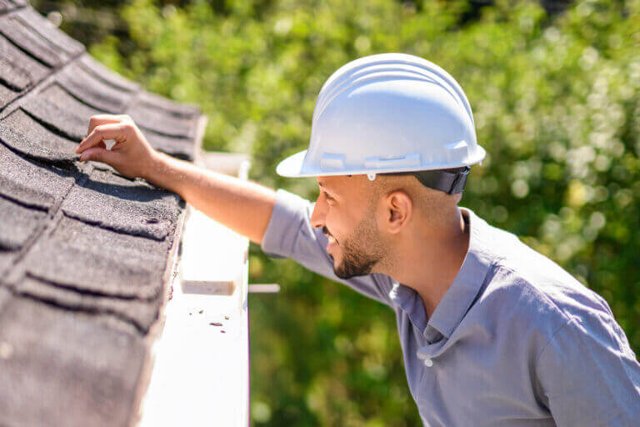
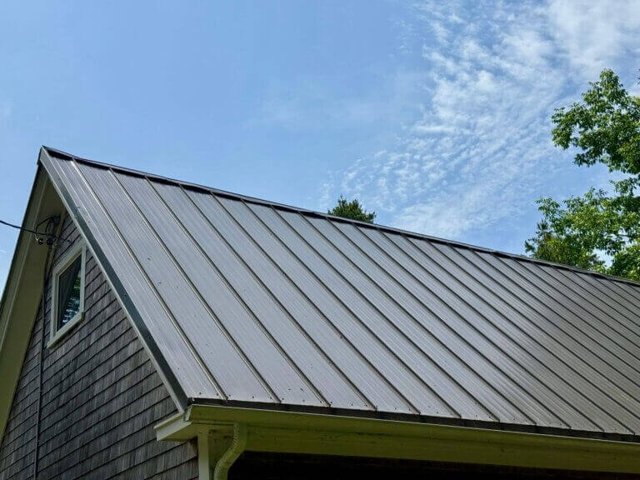
Does Your Roof Need Help?
Residential roofing throughout Minnesota (even in Minneapolis) takes a beating. Knowing what to watch for helps you catch problems early and avoid costly surprises down the road. For example:
- Recent storms or other events that could have caused damage
- Lagging energy performance
- Ventilation and moisture control
- Material condition and lifespan
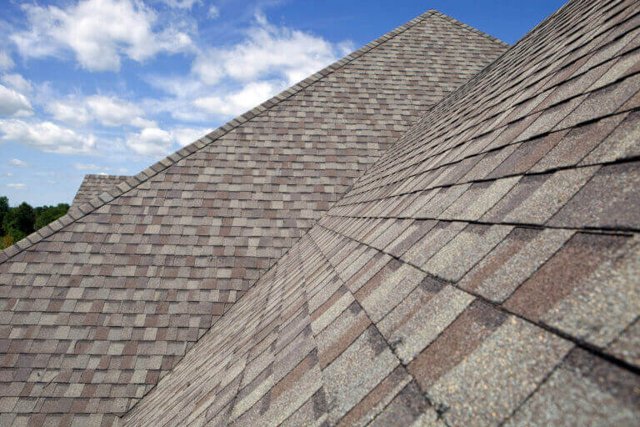
What You Should Know About Roof Inspection
A roof inspection can surface issues that aren’t visible from the ground. This damage can include anything from compromised flashing to missing shingles. Our roof installers know what to look for and when emergency roof repair or replacement is the right call. Catching problems early almost always means smaller repairs and lower costs.
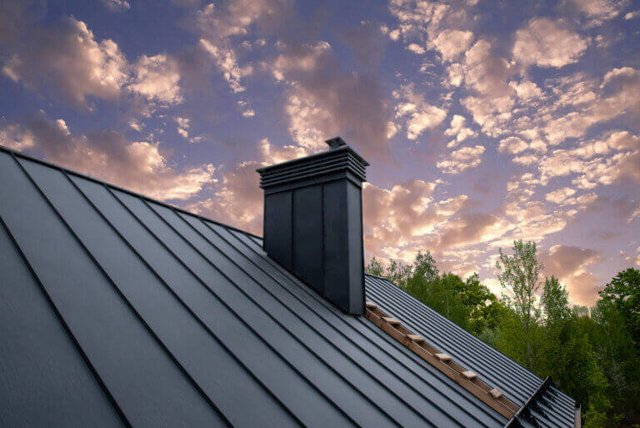
Repair vs. Replacement
The right call depends on a few key factors. A good roofing contractor will walk you through the options honestly, and reaching out sooner rather than later is always the right move no matter where you live in Minnesota or the Minneapolis metro. When it comes to important things to consider when making the comparison, look at:
- Age of roof
- Extent of any damage
- Insurance implications
- When a patch is short-term vs. a liability
- Cost over time
Frequently asked questions
Look for granules collecting in your gutters and downspouts, shiny fiberglass showing through the shingles, cracking, blistering or missing shingles, and ice dams every winter. If your roof is around 20 years old, have it inspected even if it looks fine.
An asphalt roof that reaches about 20 years without major hail or wind damage has done well. Minnesota's hot summers, cold winters and freeze-thaw cycles age shingles faster, so regular inspections matter.
No. Our roof inspections are free and come with photos so you can see what we found.
Have the roof inspected first. Hail is uneven, and a neighbor's new roof does not mean yours is damaged. We tell more people not to file a claim than to file one, and we help with the insurance process when there is damage.
Class 4 shingles pass a test with a 2-inch ball dropped from 20 feet without breaking the mat (Class 3 uses a 1.75-inch ball from 17 feet). Ask your insurance agent whether a Class 4 roof lowers your premium.
We offer straightforward financing and insurance navigation assistance
Explore Financing